
In short: Foreigners in Thailand are expected to carry their passport, or at least a copy of the photo page and their latest visa or extension stamp. Police checks happen in nightlife areas, and fines apply. Overstaying a visa costs 500 baht a day up to 20,000 baht, and longer overstays can lead to re-entry bans.
Stories about police checking passports in bars were a regular feature of the old Stickboy Bangkok site. They still matter: an ID check on a night out is one of the few times many visitors come into contact with Thai law. This guide summarises official guidance on carrying a passport in Thailand, what happens if you cannot show one, and the penalties for overstaying. It is general information drawn from government sources, not legal advice. Sources describe the legal basis in different ways, so we present the guidance as published.
Do you have to carry your passport in Thailand?
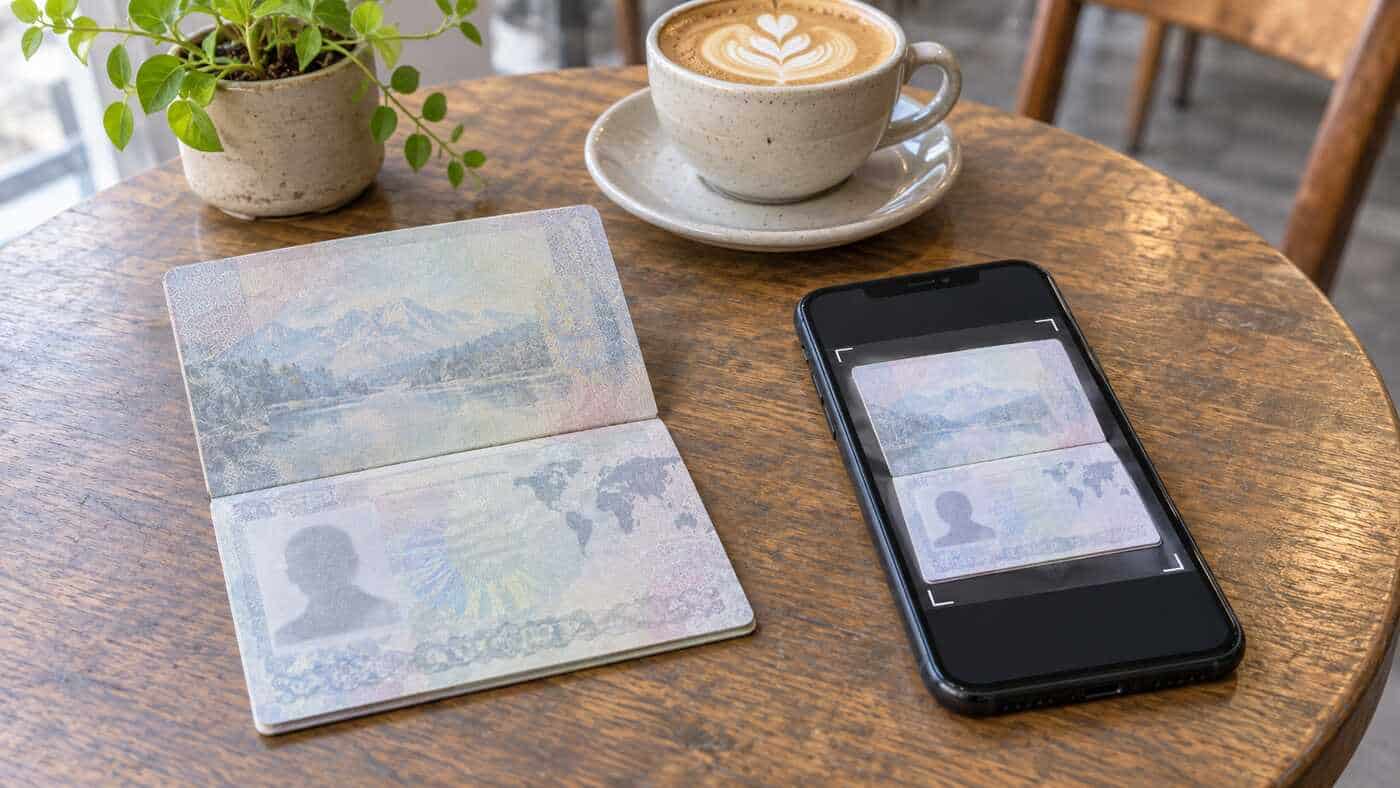
Yes, or a copy of it. The Samut Prakan Immigration FAQ says foreigners must carry their passport, or a photocopy of the photo page and the latest visa extension, and that violators could be detained and fined up to 2,000 baht. The US State Department advises travellers to carry a digital or physical copy of the passport ID page and visa, and warns that authorities can detain people who cannot show identification.
Whether you carry the original or a copy, keep your passport in good condition: the State Department notes that damaged passports can cause problems, and that entry generally requires at least six months’ validity.
Passport checks in nightlife venues
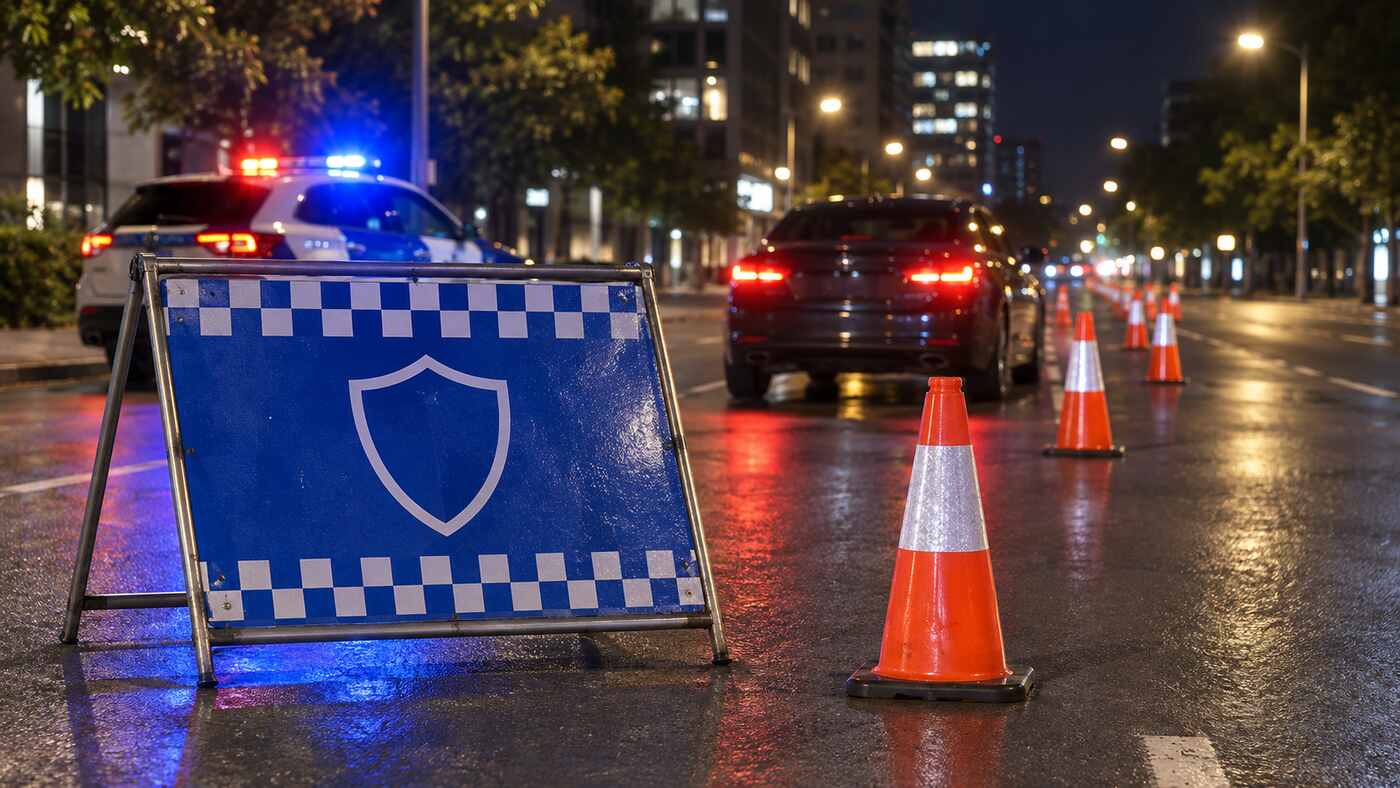
Police checks of foreigners’ documents often happen in nightlife areas. The best-known example is the October 2004 raid on Q Bar on Sukhumvit Soi 11. About 50 officers locked in roughly 400 customers, tested 373 of them for drugs and fined 104 foreigners for not carrying their passports, NBC News and the Associated Press reported. The club’s general manager called raids “pretty much an annual event”. Such sweeps were part of the social order campaign that began in 2001, described in our history of the campaign.
The US Embassy in Bangkok also notes that police periodically sweep areas popular with budget travellers to look for people who have overstayed. If you need help in English during a check, the Tourist Police run a hotline on 1155.
What is an overstay?
An overstay is any time spent in Thailand after the date stamped on your visa, visa exemption or extension. Visa-exempt visitors from many countries can stay 30 days, according to Australia’s Smartraveller, so the stamp, not the plan, decides your last legal day.
The Bangkok Immigration FAQ sets the overstay fine at 500 baht a day, up to a maximum of 20,000 baht. Pattaya Mail, reporting on an immigration briefing in November 2026, noted that the maximum is reached after 40 days and that Section 81 of the Immigration Act B.E. 2522 allows up to two years in prison, a fine of up to 20,000 baht or both.

Overstay re-entry bans
Longer overstays carry bans on returning to Thailand. Bangkok Immigration sets them out according to whether the person surrenders or is arrested.
| Situation | Re-entry ban |
|---|---|
| Surrender, overstay of more than 90 days | 1 year |
| Surrender, overstay of more than 1 year | 3 years |
| Surrender, overstay of more than 3 years | 5 years |
| Surrender, overstay of more than 5 years | 10 years |
| Arrested, overstay of up to 1 year | 5 years |
| Arrested, overstay of more than 1 year | 10 years |
The difference between surrendering and being arrested is large. An overstayer found during a street or bar check faces a far longer ban than one who reports to immigration.
Keeping your passport safe
The UK government’s safety advice for Thailand warns travellers not to hand over their passport as a guarantee, for example when renting a jet ski or motorbike, because some rental operators use it to demand payment for damage. Keep a photo of the photo page and visa stamps on your phone and a paper copy in a separate place. If your passport is lost or stolen, report it to police and your embassy. The GOV.UK entry requirements page lists current visa rules for British nationals.

Before you travel: checking the rules
Entry and visa rules for Thailand change often, so check them shortly before you travel rather than relying on what friends did last year. Government travel advice pages are updated regularly. The US State Department’s page showed a Level 1 advisory, the lowest of its four levels, issued in July 2026, and Australia’s Smartraveller page was last updated in October 2026 at the time of writing. Both pages list passport validity requirements, visa exemption lengths and consular contacts.
A sensible routine is simple: confirm the date stamped in your passport on arrival, note it in your phone calendar, keep a copy of the photo page and stamp with you, and leave the original somewhere secure but reachable. If you plan to stay longer than your exemption allows, apply for an extension at an immigration office before the stamp runs out rather than after.
Key takeaways
- Official guidance says foreigners should carry their passport or a copy of the photo page and latest visa stamp.
- Failure to show identification can lead to detention and a fine of up to 2,000 baht.
- Nightlife venues have been the scene of mass document checks, such as the 2004 Q Bar raid.
- Overstay fines are 500 baht a day up to 20,000 baht, and long overstays bring re-entry bans.
- Never leave your passport as a deposit for a rental.
Common questions
Is a photocopy of my passport enough in Thailand?
Official guidance from the Samut Prakan immigration office accepts a photocopy of the passport photo page together with the latest visa or extension stamp. The US State Department also accepts a digital or physical copy. Keep the original somewhere safe and easy to reach in case it is requested.
What happens if I cannot show my passport to police?
According to immigration guidance, a foreigner who cannot show a passport or valid copy could be detained and fined up to 2,000 baht. The Tourist Police hotline, 1155, can help if there is a language problem.
How much is the overstay fine in Thailand?
The fine is 500 baht for each day of overstay, up to a maximum of 20,000 baht, according to Bangkok Immigration. The maximum is reached after 40 days. Overstays of more than 90 days also bring re-entry bans, which are longer if you are arrested rather than surrendering.
Can I be banned from Thailand for overstaying?
Yes. If you surrender after overstaying more than 90 days you face a one-year ban, rising to ten years for overstays of more than five years. If you are arrested, the ban is five years for overstays of up to a year and ten years for longer ones.
Related guides: Thailand alcohol laws, Bangkok nightlife safety and the home page.
How we put this together: we started from Thai immigration office FAQs and checked them against US, UK and Australian government travel advice and a 2026 Pattaya Mail report on an immigration briefing. The nightlife example comes from 2004 Associated Press reporting. Sources describe the legal basis for carrying a passport differently, so we quote the guidance as written.
Sources
- Samut Prakan Immigration: frequently asked questions
- Bangkok Immigration: FAQ
- US State Department: Thailand country information
- US Embassy Bangkok: Thai visas for Americans
- Pattaya Mail: Immigration explains overstay fines and re-entry bans, 2026
- GOV.UK: Thailand safety and security
- GOV.UK: Thailand entry requirements
- Smartraveller: Thailand
- Thailand Tourist Police
- NBC News and AP: Bangkok police raid on Q Bar, 2004