Category: Laws and rules

  • Carrying your passport in Thailand: rules and overstays

    Carrying your passport in Thailand: rules and overstays

    In short: Foreigners in Thailand are expected to carry their passport, or at least a copy of the photo page and their latest visa or extension stamp. Police checks happen in nightlife areas, and fines apply. Overstaying a visa costs 500 baht a day up to 20,000 baht, and longer overstays can lead to re-entry bans.

    Stories about police checking passports in bars were a regular feature of the old Stickboy Bangkok site. They still matter: an ID check on a night out is one of the few times many visitors come into contact with Thai law. This guide summarises official guidance on carrying a passport in Thailand, what happens if you cannot show one, and the penalties for overstaying. It is general information drawn from government sources, not legal advice. Sources describe the legal basis in different ways, so we present the guidance as published.

    Do you have to carry your passport in Thailand?

    Yes, or a copy of it. The Samut Prakan Immigration FAQ says foreigners must carry their passport, or a photocopy of the photo page and the latest visa extension, and that violators could be detained and fined up to 2,000 baht. The US State Department advises travellers to carry a digital or physical copy of the passport ID page and visa, and warns that authorities can detain people who cannot show identification.

    Whether you carry the original or a copy, keep your passport in good condition: the State Department notes that damaged passports can cause problems, and that entry generally requires at least six months’ validity.
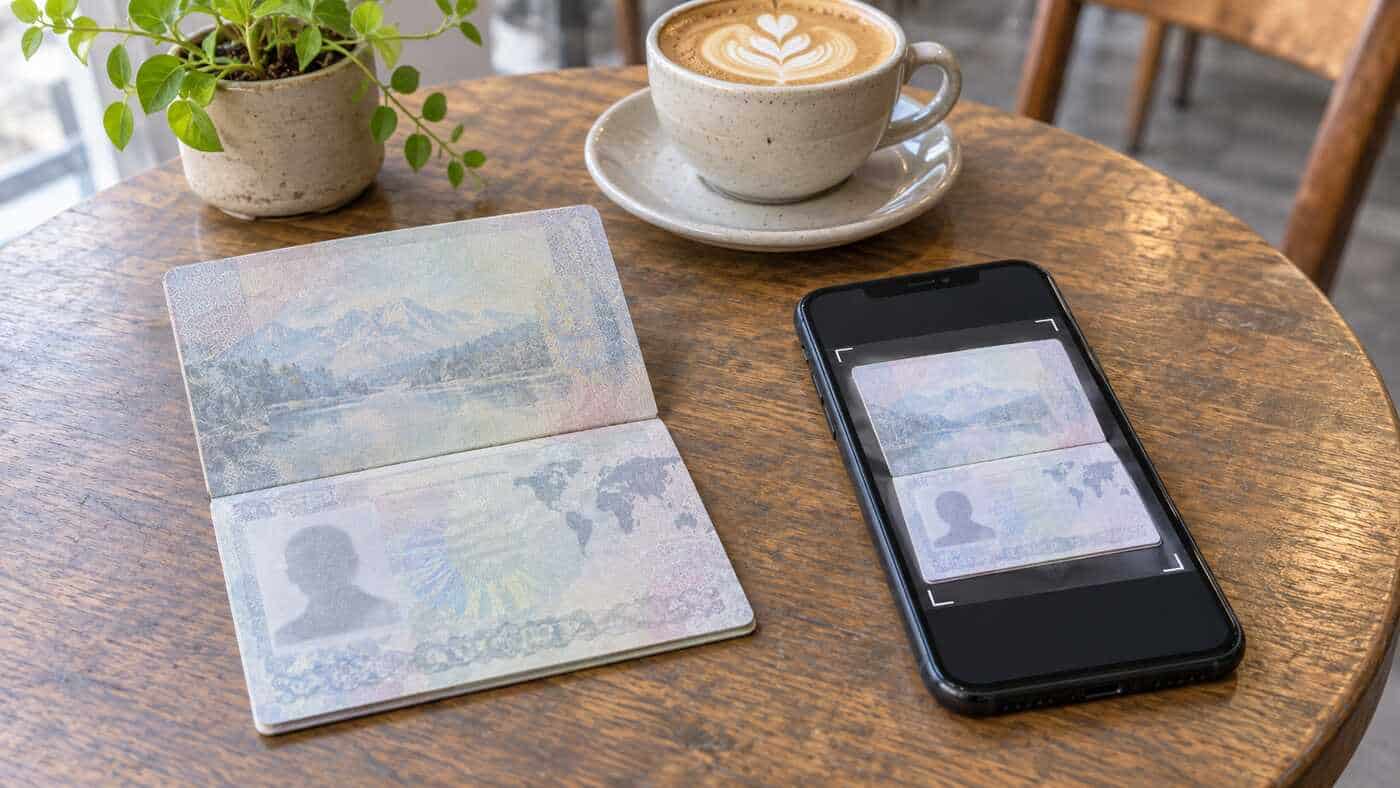
    A photocopied passport page and a phone showing a document scan on a café table
    Official guidance accepts a copy of the photo page and latest visa stamp. Illustration.

    Passport checks in nightlife venues

    Police checks of foreigners’ documents often happen in nightlife areas. The best-known example is the October 2004 raid on Q Bar on Sukhumvit Soi 11. About 50 officers locked in roughly 400 customers, tested 373 of them for drugs and fined 104 foreigners for not carrying their passports, NBC News and the Associated Press reported. The club’s general manager called raids “pretty much an annual event”. Such sweeps were part of the social order campaign that began in 2001, described in our history of the campaign.

    The US Embassy in Bangkok also notes that police periodically sweep areas popular with budget travellers to look for people who have overstayed. If you need help in English during a check, the Tourist Police run a hotline on 1155.
    A police checkpoint sign and traffic cones on a city street at night
    Police checks happen on streets and in nightlife venues. Illustration.

    What is an overstay?

    An overstay is any time spent in Thailand after the date stamped on your visa, visa exemption or extension. Visa-exempt visitors from many countries can stay 30 days, according to Australia’s Smartraveller, so the stamp, not the plan, decides your last legal day.

    The Bangkok Immigration FAQ sets the overstay fine at 500 baht a day, up to a maximum of 20,000 baht. Pattaya Mail, reporting on an immigration briefing in November 2026, noted that the maximum is reached after 40 days and that Section 81 of the Immigration Act B.E. 2522 allows up to two years in prison, a fine of up to 20,000 baht or both.
    An empty nightclub with house lights switched on and chairs stacked
    In 2004, 104 foreigners were fined at one Bangkok club raid for not carrying passports. Illustration.

    Overstay re-entry bans

    Longer overstays carry bans on returning to Thailand. Bangkok Immigration sets them out according to whether the person surrenders or is arrested.

    SituationRe-entry ban
    Surrender, overstay of more than 90 days1 year
    Surrender, overstay of more than 1 year3 years
    Surrender, overstay of more than 3 years5 years
    Surrender, overstay of more than 5 years10 years
    Arrested, overstay of up to 1 year5 years
    Arrested, overstay of more than 1 year10 years

    The difference between surrendering and being arrested is large. An overstayer found during a street or bar check faces a far longer ban than one who reports to immigration.
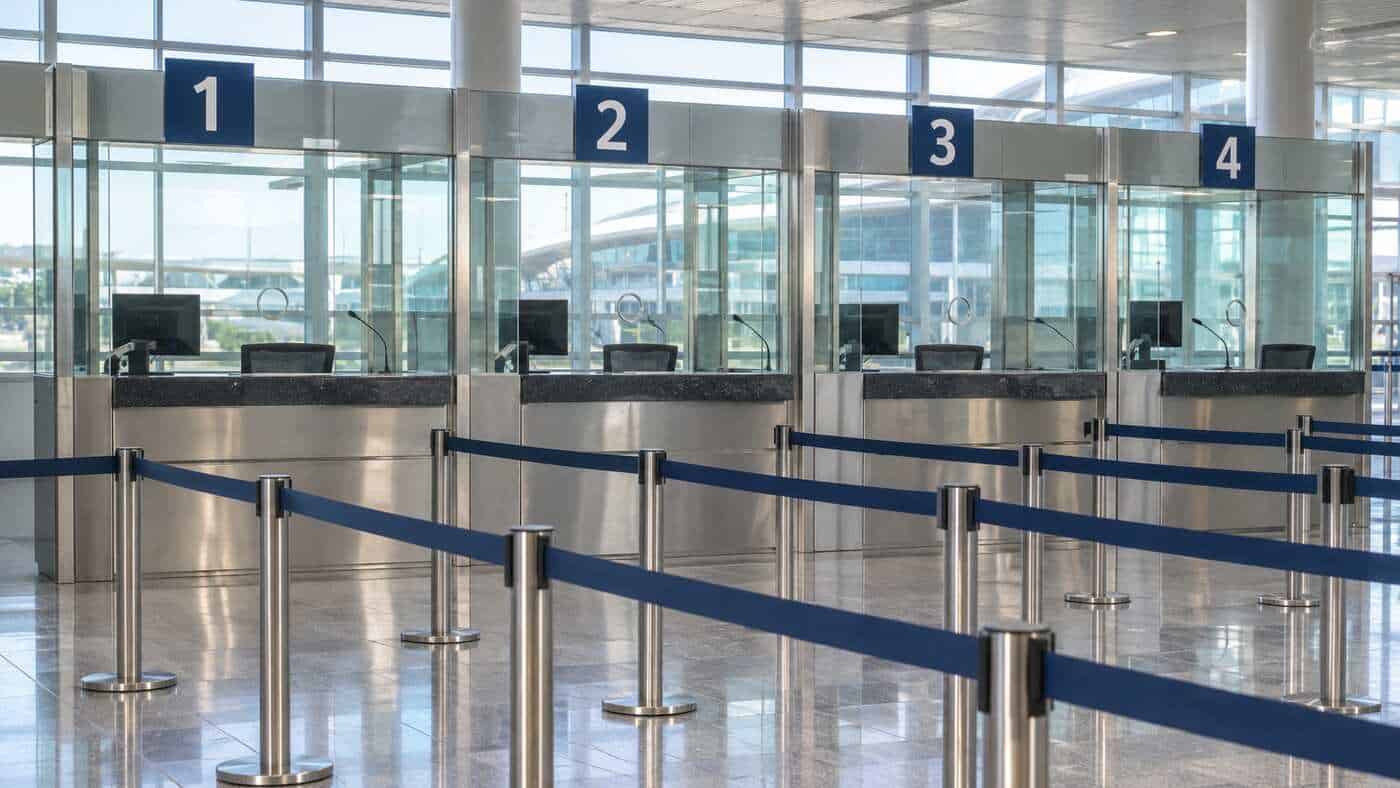
    An empty immigration counter with glass windows and numbered queue signs
    Overstay fines are paid at immigration offices or on departure. Illustration.

    Keeping your passport safe

    The UK government’s safety advice for Thailand warns travellers not to hand over their passport as a guarantee, for example when renting a jet ski or motorbike, because some rental operators use it to demand payment for damage. Keep a photo of the photo page and visa stamps on your phone and a paper copy in a separate place. If your passport is lost or stolen, report it to police and your embassy. The GOV.UK entry requirements page lists current visa rules for British nationals.

    A row of rental scooters parked on a quiet beach road
    Do not leave your passport as a deposit for a rental. Illustration.

    Before you travel: checking the rules

    Entry and visa rules for Thailand change often, so check them shortly before you travel rather than relying on what friends did last year. Government travel advice pages are updated regularly. The US State Department’s page showed a Level 1 advisory, the lowest of its four levels, issued in July 2026, and Australia’s Smartraveller page was last updated in October 2026 at the time of writing. Both pages list passport validity requirements, visa exemption lengths and consular contacts.

    A sensible routine is simple: confirm the date stamped in your passport on arrival, note it in your phone calendar, keep a copy of the photo page and stamp with you, and leave the original somewhere secure but reachable. If you plan to stay longer than your exemption allows, apply for an extension at an immigration office before the stamp runs out rather than after.

    Key takeaways

    • Official guidance says foreigners should carry their passport or a copy of the photo page and latest visa stamp.
    • Failure to show identification can lead to detention and a fine of up to 2,000 baht.
    • Nightlife venues have been the scene of mass document checks, such as the 2004 Q Bar raid.
    • Overstay fines are 500 baht a day up to 20,000 baht, and long overstays bring re-entry bans.
    • Never leave your passport as a deposit for a rental.

    Common questions

    Is a photocopy of my passport enough in Thailand?

    Official guidance from the Samut Prakan immigration office accepts a photocopy of the passport photo page together with the latest visa or extension stamp. The US State Department also accepts a digital or physical copy. Keep the original somewhere safe and easy to reach in case it is requested.

    What happens if I cannot show my passport to police?

    According to immigration guidance, a foreigner who cannot show a passport or valid copy could be detained and fined up to 2,000 baht. The Tourist Police hotline, 1155, can help if there is a language problem.

    How much is the overstay fine in Thailand?

    The fine is 500 baht for each day of overstay, up to a maximum of 20,000 baht, according to Bangkok Immigration. The maximum is reached after 40 days. Overstays of more than 90 days also bring re-entry bans, which are longer if you are arrested rather than surrendering.

    Can I be banned from Thailand for overstaying?

    Yes. If you surrender after overstaying more than 90 days you face a one-year ban, rising to ten years for overstays of more than five years. If you are arrested, the ban is five years for overstays of up to a year and ten years for longer ones.

    Related guides: Thailand alcohol laws, Bangkok nightlife safety and the home page.

    How we put this together: we started from Thai immigration office FAQs and checked them against US, UK and Australian government travel advice and a 2026 Pattaya Mail report on an immigration briefing. The nightlife example comes from 2004 Associated Press reporting. Sources describe the legal basis for carrying a passport differently, so we quote the guidance as written.

    Sources

  • Thailand alcohol laws: sale hours, fines and election bans

    Thailand alcohol laws: sale hours, fines and election bans

    In short: In Thailand, shops and restaurants may now sell alcohol from 11am to midnight. The 54-year afternoon sales ban was lifted in 2026. Since November 2025, drinkers as well as sellers can be fined for drinking outside the permitted hours on unlicensed premises. Alcohol sales stop around elections, and the legal drinking age is 20.

    Thailand’s alcohol rules have changed more in the last two years than in the previous half-century. Old Stickboy Bangkok readers will remember stories about 30-hour booze bans, new tax rates and early closing times. This guide explains the rules as they stand in late 2026: when alcohol can be sold, who can be fined, what happens on election days and how alcohol is taxed. It is general information, not legal advice. Rules can change quickly, so check current announcements before you rely on them.

    What are the alcohol sale hours in Thailand?

    For decades, alcohol could be sold only from 11am to 2pm and from 5pm to midnight. The two-to-five afternoon gap came from Revolutionary Council Order No. 253 of 1972, the Bangkok Post explains, and the ban continued under the Alcoholic Beverage Control Act even after the order itself was scrapped.

    In late 2025 the government approved a 180-day trial allowing sales from 11am to midnight without the afternoon break, with drinking allowed until 1am in some venues, the Bangkok Post reported. The trial ran from December 2025 to May 2026. In 2026 the policy was made permanent: sales are now allowed from 11am to midnight, ending a 54-year ban, according to the Bangkok Post. Prapavee Hematat of the Craft Beer Trade Association told the paper that sales rose by 10 to 15 percent during the trial.

    Some places have long been exempt from the sale-hour rules. The Library of Congress lists international airport terminals, hotels registered under the Hotel Act of 2004 and licensed entertainment venues among the exemptions.

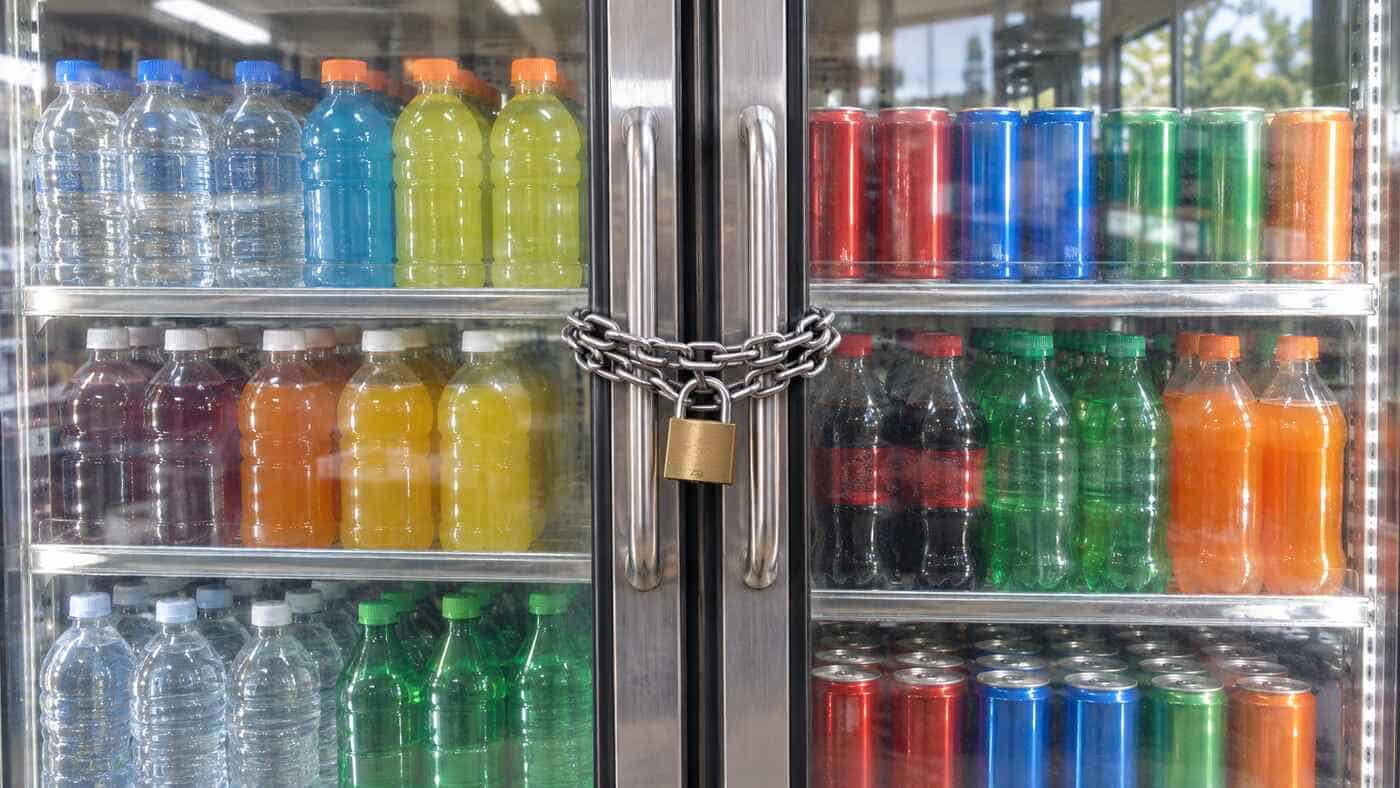
    A convenience store drinks fridge with a chain lock across the door handles
    Shops may sell alcohol only during set hours. Illustration.

    The 2025 amendment: drinkers can be fined

    The Alcohol Control Act (No. 2) B.E. 2568 was published on 9 September 2025 and took effect on 8 November 2025, according to the Library of Congress. Its best-known change is that individuals, including tourists, can now be held liable for drinking during prohibited hours, not just the businesses that sell to them.

    The Independent reported that people drinking on unlicensed premises during banned hours face fines of up to 10,000 baht, and that even a drink bought before the cut-off may count as a violation if it is consumed afterwards. Sorathep Rojpotjanaruch of the Thai Restaurant Business Association told the paper the rules were confusing for businesses and visitors. Chanin Rungtanakiat, a Pheu Thai MP, called them “unnecessary and outdated”. Penalties for businesses that break the sale-hour rules are higher: the Bangkok Post cites up to one year in prison or a fine of up to 100,000 baht.

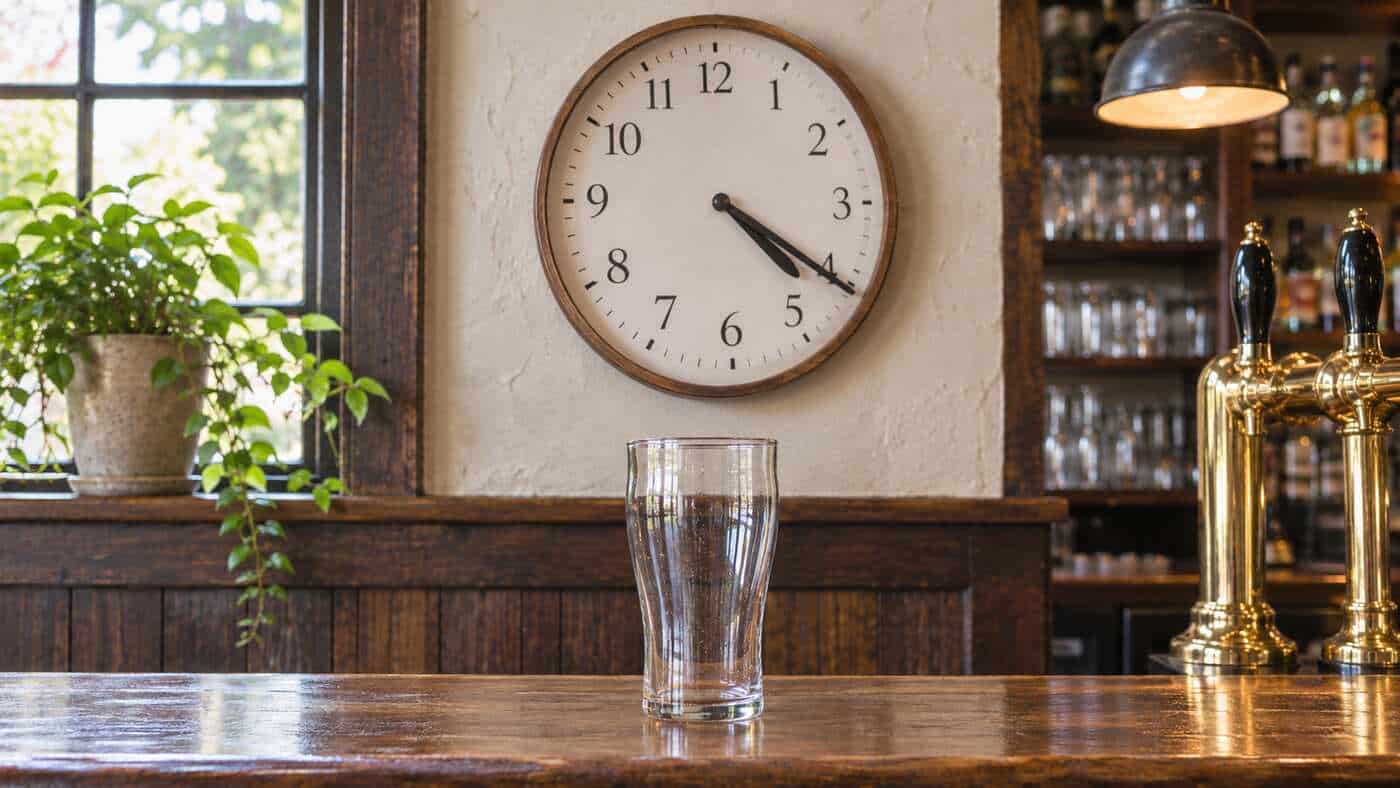
    A wall clock above an empty beer glass on a wooden bar
    The afternoon sales ban lasted 54 years before it was lifted. Illustration.

    Election-day alcohol bans

    Thailand bans alcohol sales around elections to prevent vote-buying. For recent elections the ban has run from 6pm on the day before polling until 6pm on polling day. For the Bangkok and Pattaya local elections on 27 and 28 June 2026, The Nation reported that Section 123 of the Local Elections Act B.E. 2562 set penalties of up to six months in prison, a fine of up to 10,000 baht or both, and listed the hotline 1444 for reports.

    The bans are unpopular with the hospitality trade. During the general election weekends of 31 January to 1 February and 7 to 8 February 2026, The Drinks Business reported that Sorathep Rojpotjanaruch saw sales fall by about half across his five sites, and a Phuket operator reported a 30 percent drop. The publication noted that the bans have no exceptions for hotels or tourist venues.

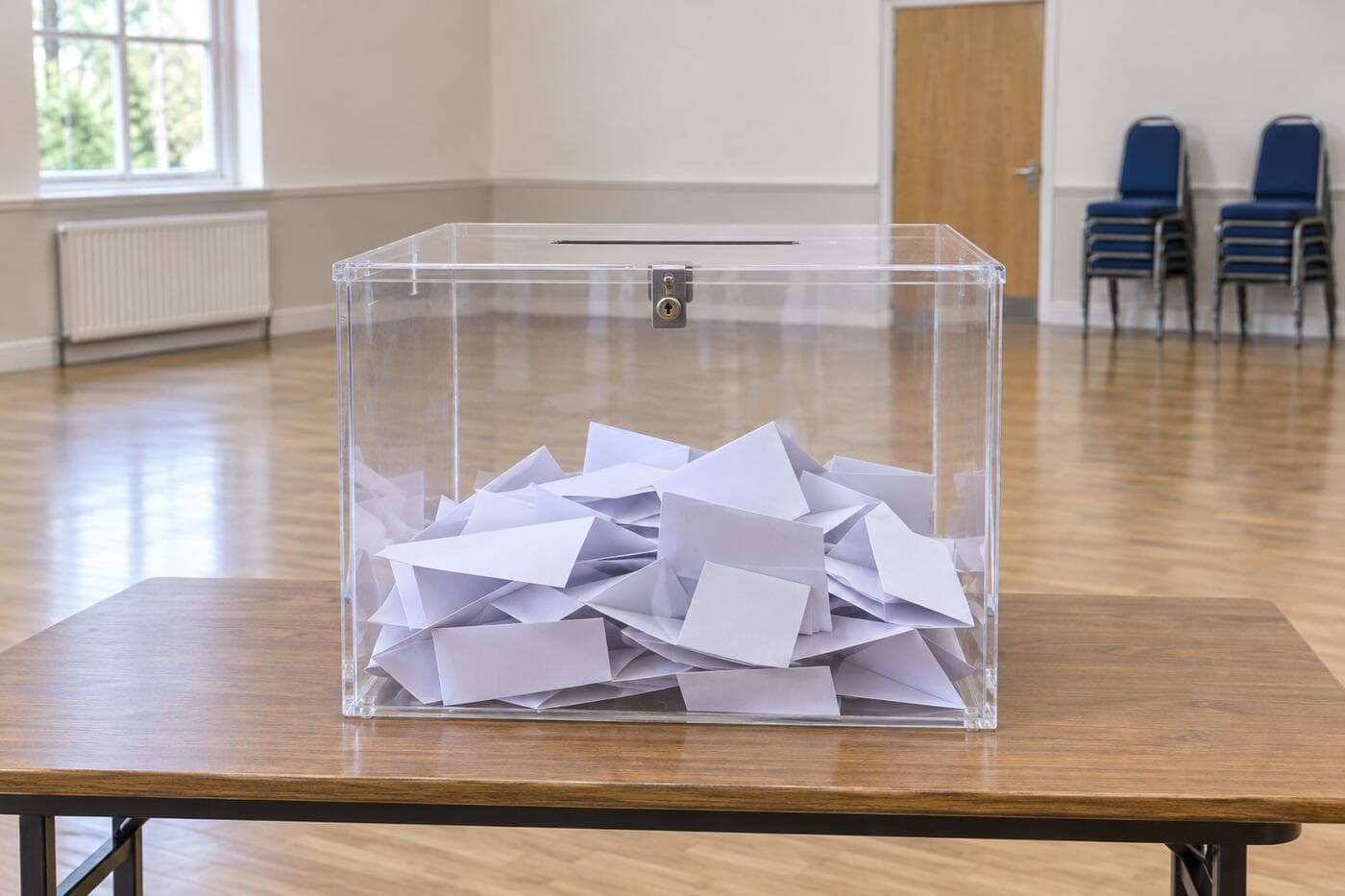
    A clear ballot box on a table in an empty hall with a flag in the background
    Sales stop for the whole day before and during elections. Illustration.

    Drinking age, taxes and other rules

    The legal age for buying and drinking alcohol in Thailand is 20. Then deputy prime minister Anutin Charnvirakul reminded venues of the rule when the 4am trial was announced in 2023, the Bangkok Post reported, and venues are expected to check ID.

    Alcohol is heavily taxed. A 2017 revision of the excise tax law introduced a combined system based on both the retail price and the alcohol content of drinks, the Library of Congress reported. Drinks under 0.5 percent alcohol are excluded from the Alcohol Control Act. The 2025 amendment also added new controls on sales, marketing and enforcement, the Library of Congress notes.

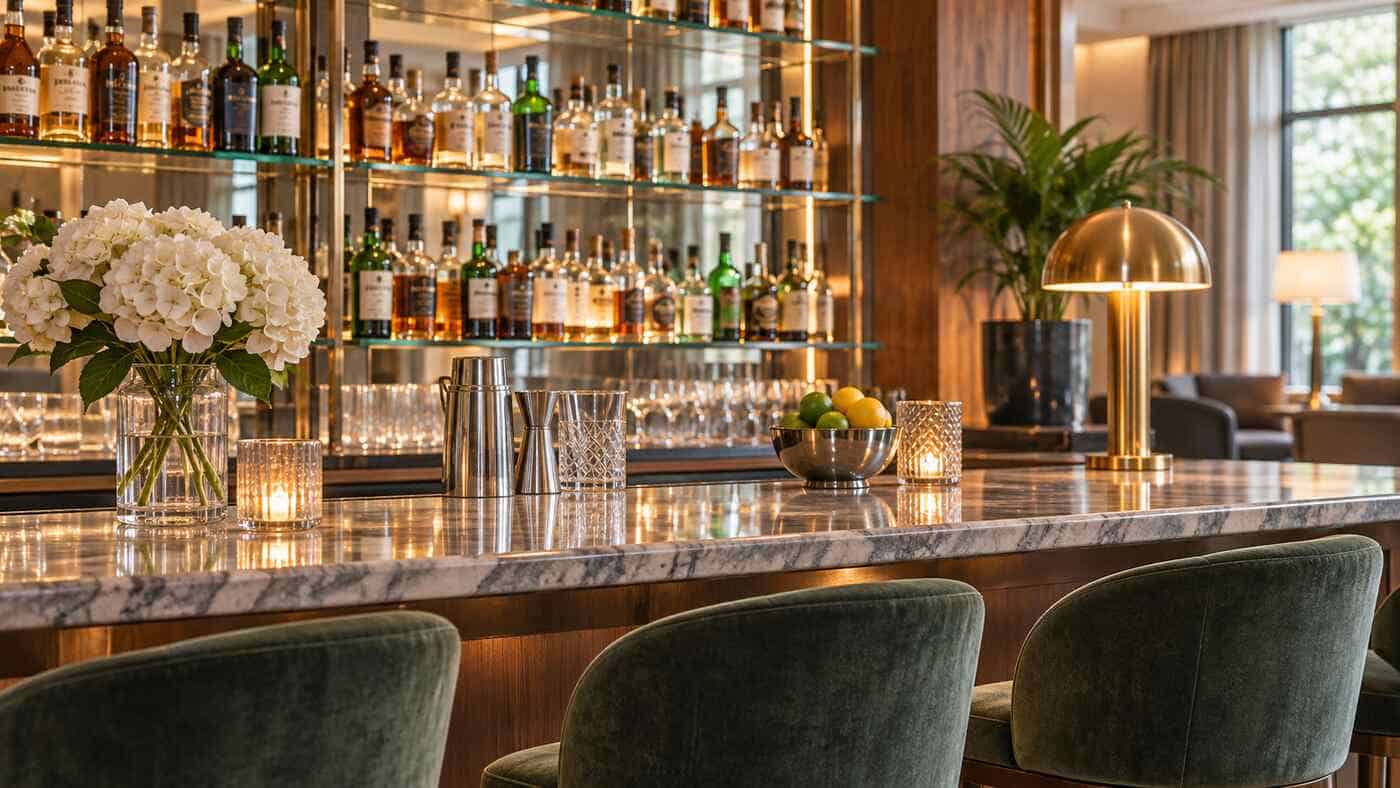
    A quiet hotel bar with bottles on glass shelves and soft lighting
    Hotels and licensed entertainment venues have long had exemptions. Illustration.

    Thailand alcohol rules at a glance

    RuleCurrent position
    Sale hours (shops, restaurants)11am to midnight since 2026
    Afternoon ban (2pm to 5pm)Ended in 2026 after 54 years
    Drinking out of hours on unlicensed premisesFine up to 10,000 baht since 8 November 2025
    Businesses selling out of hoursUp to 1 year or 100,000 baht
    Election daysSales banned, 6pm the day before to 6pm on polling day in 2026
    Legal drinking age20

    Within those rules, Thailand’s bars and clubs stay busy late. Party Thailand maps the best cities, islands and parties.

    Key takeaways

    • Alcohol can now be sold from 11am to midnight; the afternoon ban ended in 2026.
    • Since 8 November 2025, individuals can be fined up to 10,000 baht for drinking during banned hours on unlicensed premises.
    • Hotels, airports and licensed entertainment venues have exemptions from the standard sale hours.
    • Election days bring sales bans with no tourist exceptions.
    • The legal drinking age is 20, and venues are expected to check ID.

    Common questions

    Can you buy alcohol in Thailand in the afternoon?

    Yes. The ban on sales between 2pm and 5pm, which dated from a 1972 Revolutionary Council order, was suspended for a 180-day trial from December 2025 and made permanent in 2026. Shops and restaurants can now sell alcohol continuously from 11am to midnight, though election-day bans still apply.

    Can tourists be fined for drinking in Thailand?

    Yes. Under the Alcohol Control Act amendment that took effect on 8 November 2025, individuals including tourists can be fined up to 10,000 baht for drinking during prohibited hours on premises that are not licensed or exempt. Before then, penalties applied mainly to the businesses selling alcohol.

    When is alcohol banned on election days?

    For recent elections, sales were banned from 6pm on the day before voting until 6pm on polling day. For the June 2026 Bangkok and Pattaya local elections, the penalty was up to six months in prison, a fine of up to 10,000 baht or both. The bans apply to hotels and tourist venues too.

    What is the drinking age in Thailand?

    The legal age for buying and drinking alcohol in Thailand is 20. The government reminded venues of the rule when it extended nightclub hours to 4am in 2023, and bars and clubs are expected to check identification. Carrying your passport or a copy can help with ID checks.

    For related rules, see our guides to carrying your passport in Thailand and staying safe on a night out, or return to the home page.

    How we put this together: we read the Library of Congress summaries of the 2025 amendment and the 2017 excise law, then checked dates and penalties against Bangkok Post, The Nation, the Independent and The Drinks Business reports. We did not consult a lawyer, and this guide is not legal advice.

    Sources