
In short: Khao San Road is a 410-metre street in Bangkok’s old city, built in 1892 and named after the rice once traded there. From the late 1970s it became the world’s best-known backpacker street. It was rebuilt as a walking street in 2020, emptied during the pandemic and was among the first areas allowed to open until 4am.
Khao San Road appeared often in the old Stickboy Bangkok news pages, usually because of a new rule, a police crackdown or a plan to change the street. It is a good example of how a Bangkok neighbourhood can be reshaped by travellers, then by the government that wants to manage them. This guide tells the street’s story from its origins to the latest plans, using news reports and published histories.
What is Khao San Road?
Khao San Road is a short street in Phra Nakhon district, Bangkok’s old city, known for budget guesthouses, bars, street food and market stalls. It is about 410 metres long, according to Wikipedia, and was built in 1892 during the reign of King Chulalongkorn. Its name means “milled rice”, a reminder that it was once a rice market. The Khao San Business Association counted 40,000 to 50,000 tourists a day in the high season and about 20,000 in the low season.
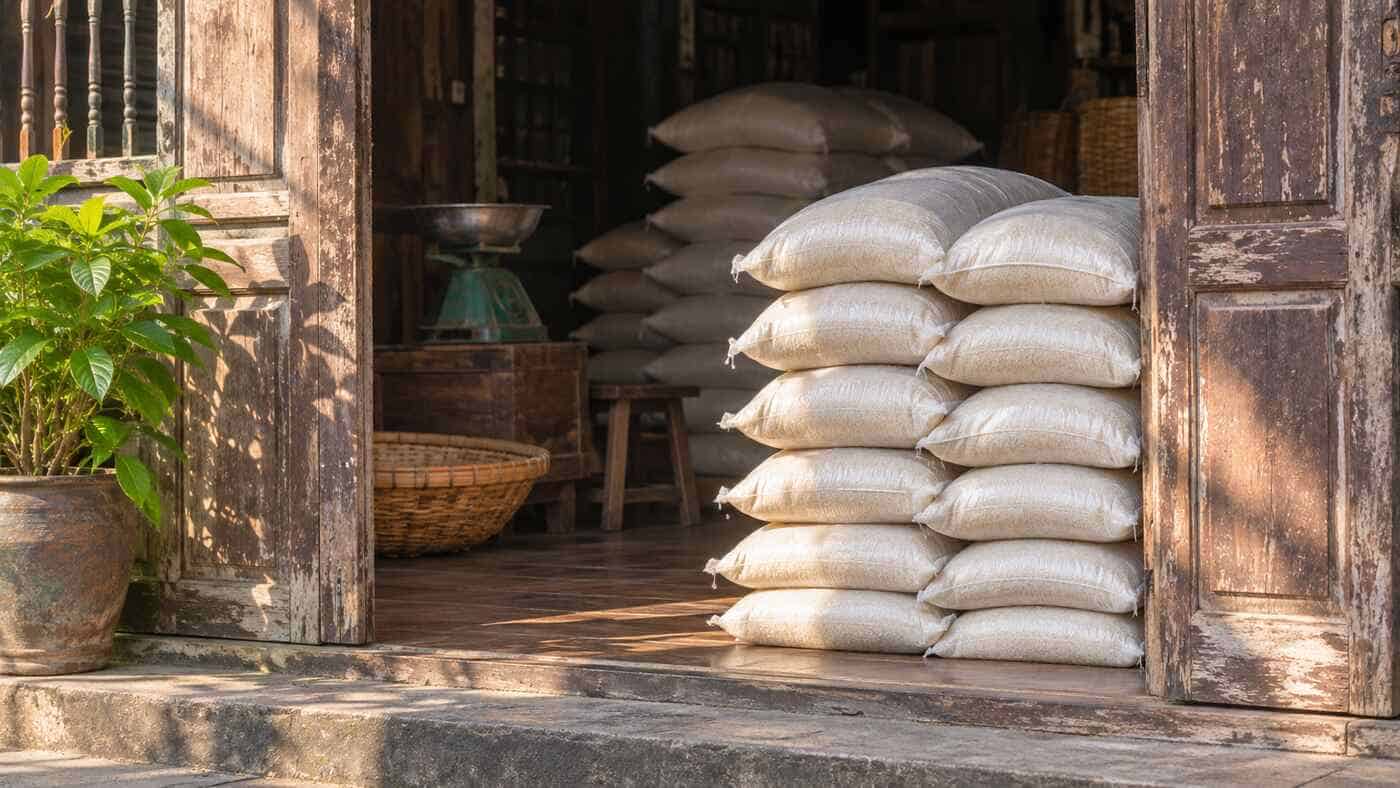
The rice name is older than the road. CNN’s history explains that by the end of the 19th century the Banglamphu district was the largest rice market in Siam, and that a dirt alley south of the canal became so busy with the rice trade that King Chulalongkorn ordered a proper road built. It was not grand enough to be named after a historic figure, so it was simply called Soi Khao San, milled rice lane.
How did Khao San Road become a backpacker street?
The change began in the late 1970s, when backpackers started staying in the cheap guesthouses that opened in the area, writes travel writer Joe Cummings in a 2021 history for CNN Travel. Bangkok was then a terminus of the Asian hippie trail. According to long-time residents cited by Wikipedia, the first guesthouse on the road opened around 1982, when the street was still quiet, lined with noodle shops, grocery stores and fabric shops. The trickle became a wave in the 1990s, guesthouses in the area grew to well over 200, and by the mid-1990s Khao San was counted among the “three Ks” of backpacker travel, with Kathmandu and Kuta Beach.
Alex Garland’s novel The Beach, published in 1996, opens on Khao San Road, and the film version starring Leonardo DiCaprio followed in 2000. The book and film helped make the street known far beyond the backpacker world.
Lonely Planet makes the case for giving the street a try, even for travellers who think they already know what it is like.

Khao San Road timeline
| Year | Event |
|---|---|
| 1892 | Street built in the reign of King Chulalongkorn |
| Late 1970s | Backpackers begin staying in local guesthouses |
| 1996 | The Beach is published, opening on Khao San Road |
| 2000 | Film of The Beach released |
| 2018 | Dispute over plans to clear street vendors |
| 2020 | Walking-street upgrade completed |
| 2023 | Included in the 4am opening trial |
Vendors, renovation and the pandemic
In July 2018 the Bangkok Metropolitan Administration announced that street vendors would be removed from the road from 1 August and limited to trading from 6pm to midnight, Wikipedia records. The Khaosan Street Vendors Association, representing about 300 vendors, rejected the move, and on the first day roughly 70 percent of vendors opened as usual. The city then rebuilt the street as a walking street, a project costing 48.8 million baht that was completed in 2020. CNN put the cost at about 1.6 million US dollars and said the design marked out spaces for 250 to 350 licensed vendors chosen by lottery, with vehicles banned from 9am to 9pm.
The pandemic followed almost immediately. Thailand closed its borders in April 2020, and when the renovated road launched in November 2020 its weekend crowds were mostly young Thais. Cummings wrote that pub customers on the street changed from about 80 percent European to about 90 percent Thai. After a second wave of cases in January 2021, entertainment venues in Bangkok were ordered to close and the street emptied almost completely.
Songkran, the Thai New Year water festival each April, is one of the busiest times on the street, Wikipedia notes.

The 4am trial and the nightlife sandbox
When the government allowed licensed entertainment venues in some areas to stay open until 4am from December 2023, Khao San Road was included from the start. Then interior minister Anutin Charnvirakul inspected the street on the second night of the trial, the Bangkok Post reported. Our history of the social order campaign explains how much the rules had changed since the early 2000s, when early closing was enforced by raids.
The government has since proposed a “nightlife sandbox” covering Khao San and nearby Rambuttri Road, the Bangkok Post reported, after a survey found more than 30 entertainment venues there. The plan was presented by Paradorn Prissananantakul.
Khao San Road today
Today Khao San is both a backpacker street and a mainstream night out. Visitors should keep the usual precautions in mind: watch drinks, use licensed transport and know the current alcohol rules, which our guide to Thailand’s alcohol laws explains. See our nightlife safety guide for more, or go back to the home page.
Key takeaways
- Khao San Road is about 410 metres long, was built in 1892 and is named after milled rice.
- Backpackers began arriving in the late 1970s, and The Beach made the street world-famous.
- A 48.8 million baht walking-street upgrade was completed in 2020.
- During the pandemic, its bar customers became mostly Thai.
- Khao San was part of the 4am trial from December 2023 and is the subject of a nightlife sandbox plan.
Common questions
Why is Khao San Road famous?
Khao San Road is famous as the centre of backpacker travel in Southeast Asia. Cheap guesthouses drew travellers from the late 1970s, and Alex Garland’s novel The Beach, published in 1996 and filmed in 2000, opens on the street. It receives tens of thousands of visitors a day in high season.
What does Khao San mean?
Khao San means “milled rice” in Thai. The street was built in 1892 during the reign of King Chulalongkorn and was once a rice market. The name stayed long after the rice trade moved on and the street became known for guesthouses and bars.
What time do bars close on Khao San Road?
Licensed entertainment venues on Khao San Road have been allowed to open until 4am since the trial that began in December 2023. Other bars and restaurants follow standard alcohol sale hours. Rules can change, so check the latest Bangkok Post or official announcements before you plan a late night.
What is the Khao San nightlife sandbox?
The nightlife sandbox is a government proposal to manage Khao San Road and neighbouring Rambuttri Road as a special nightlife area. The Bangkok Post reported that a survey found more than 30 entertainment venues in the two streets.
How we put this together: the street’s history comes from Joe Cummings’ 2021 account for CNN Travel and Wikipedia’s article on Khaosan Road. Recent rules come from Bangkok Post reports on the 4am trial and the sandbox plan. Where sources give different costs for the 2020 upgrade, we give both figures with their source.